If you are wondering how to properly handle snow at your property, check out this step-by-step guide to what a landlord should do after a Boston snowstorm.

Safety First.
Because of a 2010 Massachusetts Supreme Court ruling, it is the landlord’s responsibility to remove snow and ice from their property. Before the court passed this ruling, owners were not obligated to remove “natural accumulations” of wintry waste. While this seems unfair to landlords due to unnecessary inflation and high labor costs; the law is what it is as they say.
Your property owner obligations do not mean you must out there immediately and endanger yourself to clear the paths on your property. In Boston, residential landlords have six hours to clear away snow and ice. Other cities and towns in the area may have their own deadlines, but you generally get at least a few hours after the storm has passed to safely clean up your property. So, wait until the snow has stopped falling and the plows have cleared the main roads.

Talk to Your Tenants.
Keep everyone informed of your snow-cleaning strategy and plans. That means keeping an eye on weather reports, knowing if a state of emergency has been declared and the roads are closed, and keeping in touch with your tenants. If you have a superintendent or manager on the property, call them to find out how your building is holding up. Otherwise, call or text your tenants. They will be relieved to know that you have their safety in mind.
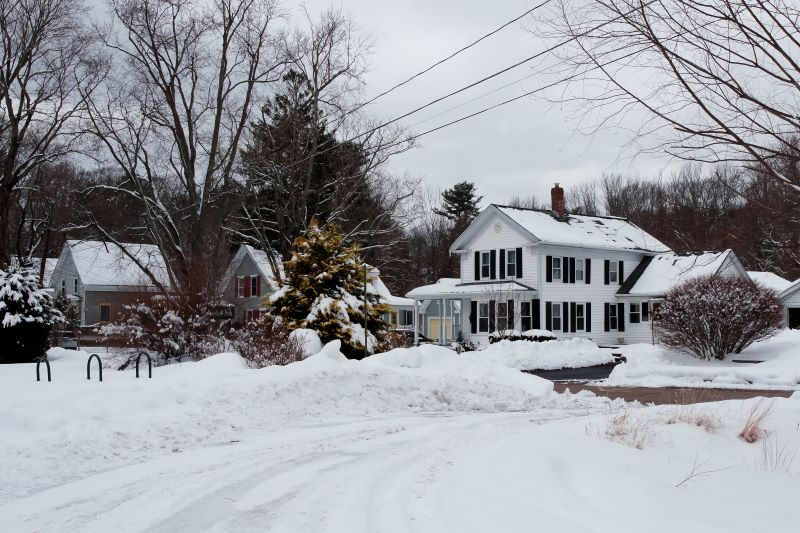
Watch for Drifting Snow Banks Covering Your Exterior Vents.
One issue that can often be overlooked by landlords is snow banks and drifts that cover exterior vents. Let’s face it, Boston is a very windy city and multifamily properties often create wind corridors that stack snow high in certain places. We know of multiple landlord that had to place venting higher on their buildings to avoid them getting covered with snow.
If you are landlord in Greater Boston with multiple apartments, it absolutely makes…