If you haven’t noticed, there really hasn’t been a better time to sell a property.
The Case-Shiller Index rounds out to about 282 points as of late January, and median home prices rose 15.9% year-over-year in February.
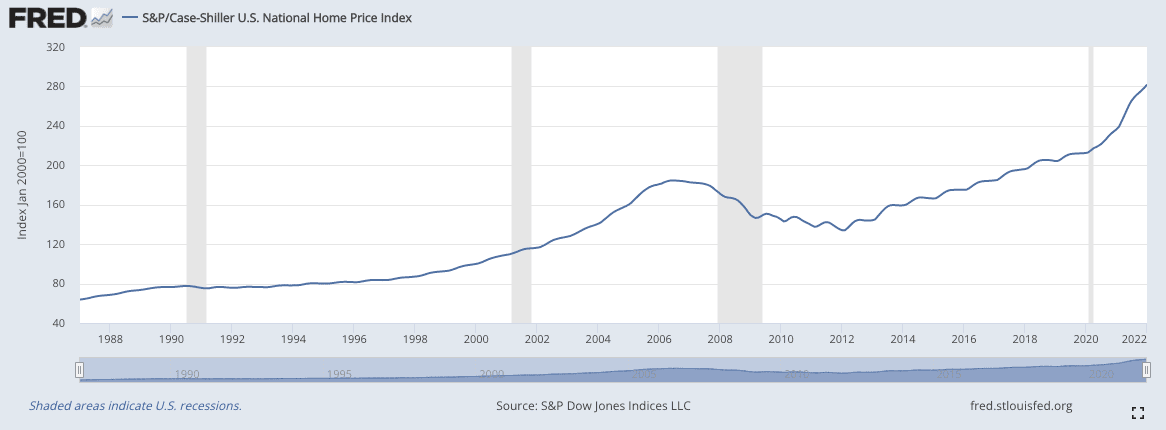
Add in the fact that sellers are receiving multiple offers within a few days after listing and you have all the right ingredients to start a bidding war, increase the price of your property, and walk away with more than you could imagine.
But, there is an issue. Taxes.
It’s great seeing the price tag of your property increase, but that also means your tax bill will be significantly higher. If you want to take advantage of the appreciation your current investment has earned but don’t want to get hit with the corresponding tax bill; you might want to consider some of these 1031 exchange strategies the top investors are using to navigate the seller’s market.
Why use a 1031 exchange?
With a 1031 exchange, you can shelter your gains from being taxed by following up the sale with another real estate investment of equal or greater value. If you follow the rules set by the IRS, your real estate investments can grow tax-deferred.
The challenge of using a 1031 exchange in a seller’s market
These days, the most challenging part of executing a 1031 exchange is finding the replacement property within 45 days of closing the sale on the former property.
As we discussed earlier, sellers are enjoying the luxury of bidding wars and sky-high prices. Investing in today’s market is much more challenging. Deals are hard to find, and you can’t guarantee that the property you want will fall into your hands.
The good news is that once found and placed under contract, the IRS grants an additional 135 days to finalize the purchase before the 1031 exchange is no longer eligible.
1031 exchange strategies
The best way to execute these 1031 exchange strategies is to have a plan before the property you’re selling is placed under contract. It’s the…