Housing Court Justice Irene Bagdoian Rules That Boston Covid-19 Eviction Moratorium Exceeded Public Health Emergency Powers
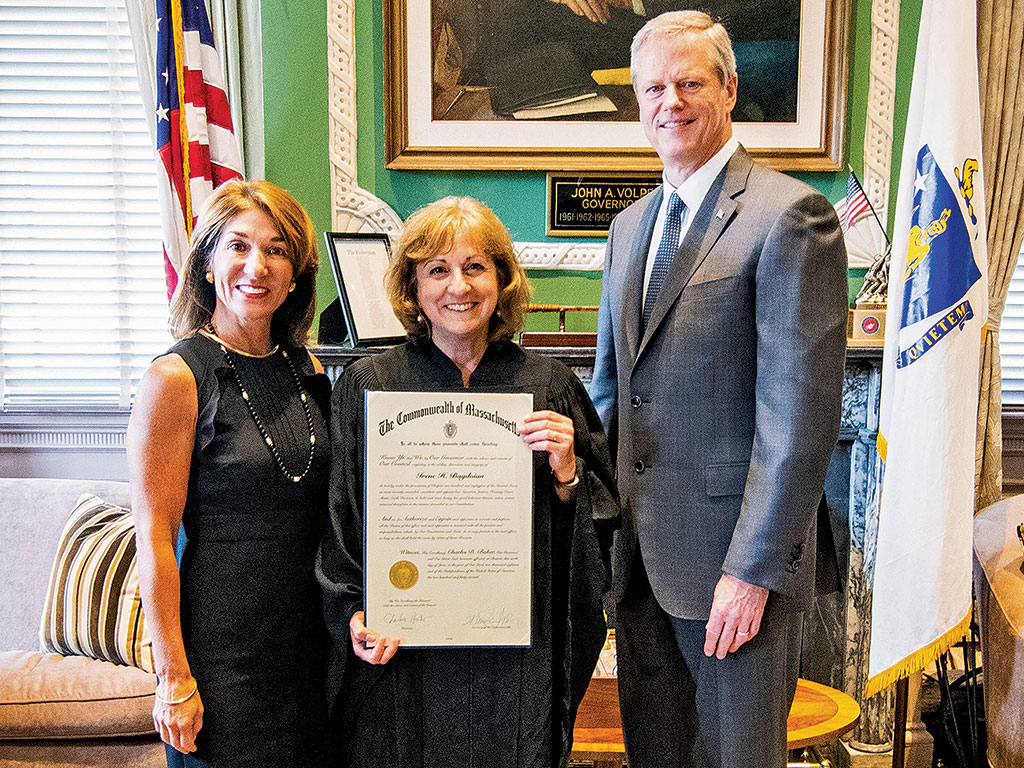
In likely one of the most important cases ever heard by the Massachusetts Housing Court, Justice Irene Bagdoian declared that despite the gravity of the Covid-19 pandemic, the new City of Boston eviction moratorium exceeded the emergency statutory powers of the Boston Public Health Commission, and unlawfully interfered with the judicial functions of the Housing Court in overseeing eviction cases.
The moratorium was imposed by then Acting Mayor Kim Janey in August after the U.S. Supreme Court struck down the nationwide eviction moratorium enacted by the Centers for Disease Control. Although entitled “temporary,” the order had no specific end-date and prohibited landlords and constables being able to enforce move-out orders (executions).
The lawsuit challenging the moratorium was filed by Attorneys Jordana Greenman and Mitch Matorin on behalf of Janet Avila, a Mattapan woman whose tenant owed her $29,000 in back rent, and a constable who the city has blocked from executing evictions. The city took the unusual step of issuing a threatening letter to all licensed city constables to abide by the eviction moratorium lest their licenses be in peril.
In striking down the moratorium, Judge Bagdoian issued a comprehensive well-reasoned written opinion, tracking the history and statutory powers of the Boston Public Health Commission which issued the moratorium. In very strong words she ruled, “This court perceives great mischief in allowing a municipality or one of its agencies to exceed its power, even for compelling reasons. . . . In this court’s view, such expansion of power by a governmental agency, even for compelling reasons, should be unthinkable in a democratic system of governance.” Since the Legislature has enacted a comprehensive statutory scheme to regulate evictions, the judge reasoned, individual cities…