Boston, one of America’s oldest and most renowned cities, has always been an attractive location for living, working, and investing. The city hosts the most well-regarded universities and cutting-edge industries, attracting talented people worldwide. However, like many other bustling, world-class cities, Boston is increasingly grappling with a critical issue: affordable housing.
Recent proposals by the City of Boston’s legislature have proposed a suite of initiatives to reduce the cost of rent for tenants, one particularly controversial measure being rent control. However, as history has shown us in countless cities across the country, rent control has never worked. In fact, quite the opposite is true; less housing stock was created and the quality and safety of apartments went down. So if wage and price controls are not the answer – what is the answer to continued growth and better quality of life housing?
In this article, we’ll go through the various reasons why rents are rising, why rent control isn’t a sustainable solution to the Boston real estate affordability problem, and what possible remedies may help both tenants and property owners become more prosperous so that they can fully enjoy everything that Greater Boston has to offer.
Why are costs going up?
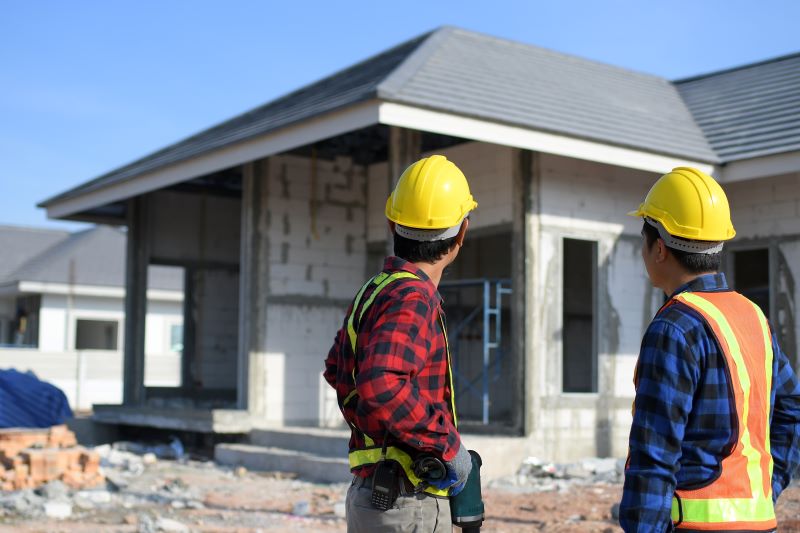
To understand why rents are increasing, we first have to unravel the complexities of the rising costs of all commodities in domestic and global markets. To give you an idea of how steep the cost increase has become for property developers, consider this: before the COVID-19 pandemic, the cost of production per square foot for developers hovered at around $250. Post-pandemic, the same square foot in the same Boston neighborhood skyrocketed to over $400 due to numerous factors including, but not limited to, poor domestic energy policy, labor shortages, outdated zoning policies, red tape, and vast inflation in construction materials as a result of global supply chain disruptions.
While fixed costs…