Do you find Boston’s zoning laws confusing? You’re not alone. Aside from dictating the appropriate use for a property in a specific area of the city, Boston’s zoning code also dictates aspects of a property like height, density, shape, etc. Boston has some of the most complex zoning regulations for commercial and housing developments, which can make it challenging for developers to effectively navigate their investment options.
We hear the confusion this causes new property owners all the time- so we want to help answer some of the most common questions we get.

What are zoning laws and regulations?
Zoning laws and regulations are local government policies devised by the City of Boston that dictate how land can be used in a particular area; i.e. whether you can build commercial, residential, or other types of properties. Depending on the building type, each zoning regulation establishes specific guidelines on building density, setbacks, height restrictions, parking requirements, and other factors that influence the development and use of properties in Boston.
How are zoning laws relevant for multifamily home investments in Boston?
Zoning laws play a key role in determining the feasibility and profitability of multifamily home or land investments in Boston. Since zoning regulations have height, square footage, and unit restrictions, this can significantly influence the extent to which a multifamily home or land development project is profitable.
Where can I find information about zoning laws in Boston?
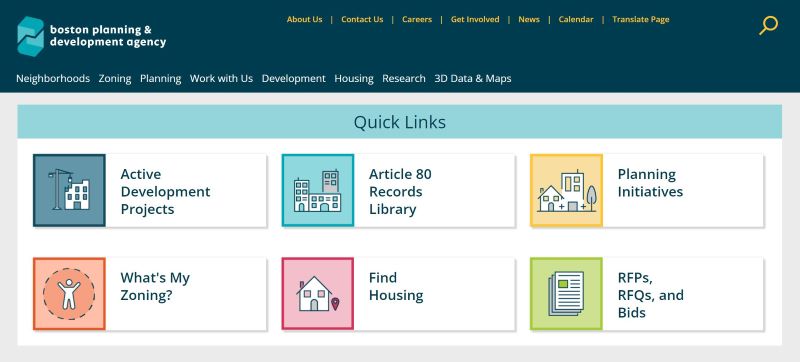
If you’re looking for specific information on zoning regulations in Boston for multifamily homes, your best bet is to visit the official website of the Boston Planning and Development Agency (BPDA). The BPDA is the city’s official municipal planning and development agency, and serves as a key resource for developers who need more information on housing or commercial development issues. You’ll find several resources, such as: zoning maps, zoning codes,…