Local News
After two devastating storms hit Stonington in January, plans are multiplying to raise and fortify wharves, roads, and buildings. But will that be enough?
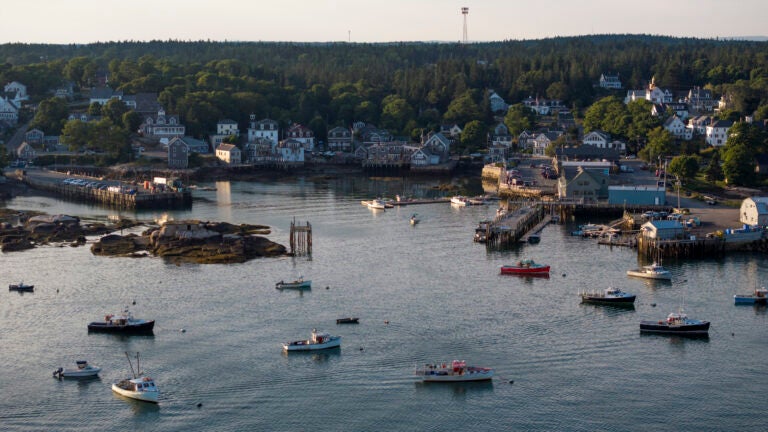
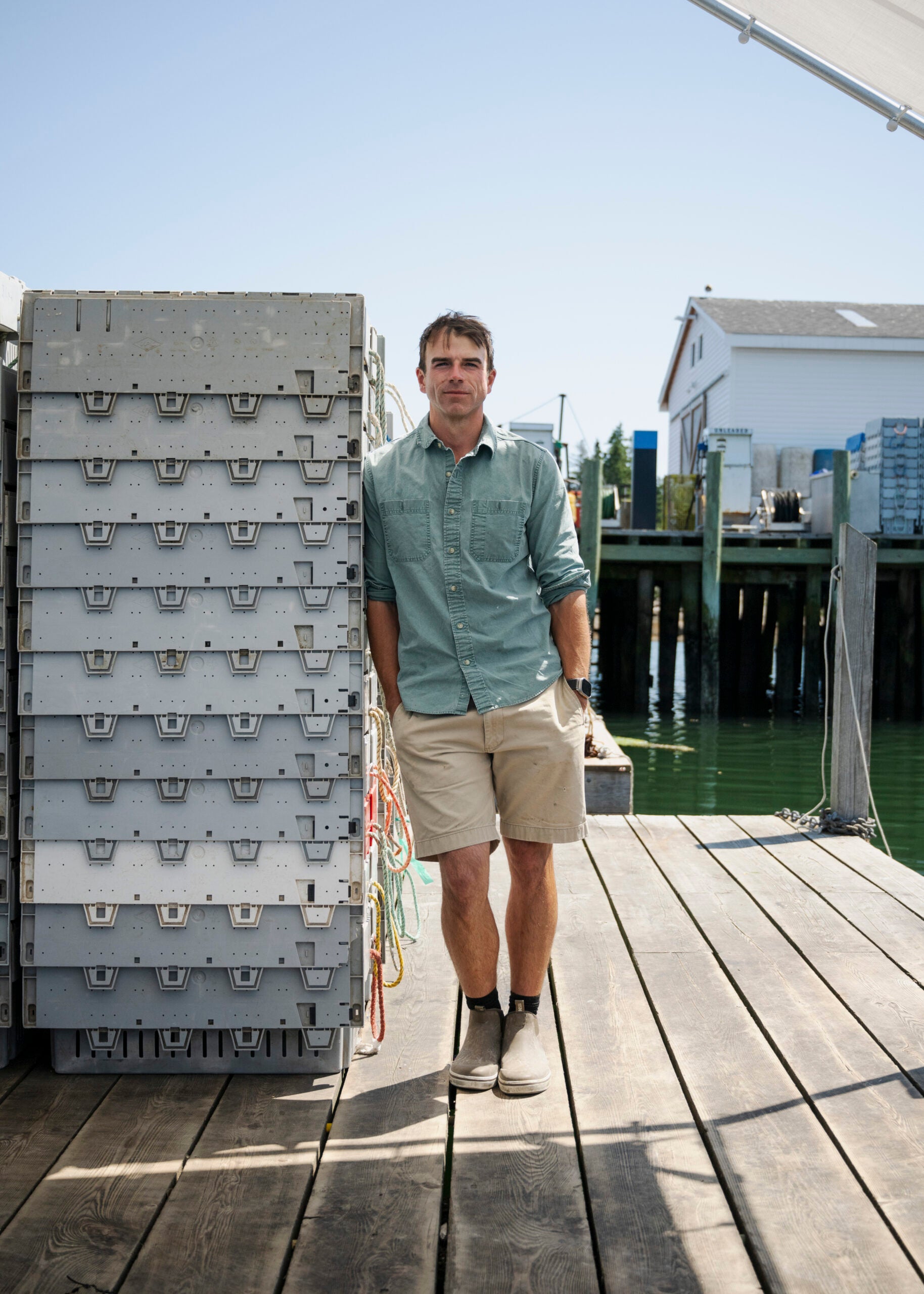
STONINGTON, Maine — There were some who thought it was excessive when Travis Fifield, rebuilding his commercial lobster wharf a few years ago, raised it nearly a foot and a half higher above the blue expanse of Maine’s Penobscot Bay.
The fourth generation to run the family business, Fifield Lobster, on a granite peninsula in remote Stonington, Fifield paid the skeptics no mind. He was determined to defend his property against the rising seas and raging storms he knew would be the consequences of a changing climate.
Then two vicious storms slammed Maine’s coast in a single week in January, with intense winds and extremely high tides wiping out swathes of working waterfront. For Stonington, home to the largest lobster fishing fleet in Maine, the damage was so extensive and shocking that it extinguished any remaining doubt about the need for urgent action.
Now, across the island town of 1,000 people, plans are multiplying to raise and fortify wharves, roads and buildings. At…