Townhouses in Massachusetts offer a unique housing option for buyers. Unlike other properties, townhouse ownership often involves homeowners associations (HOAs). Pros and cons should be considered, including location factors and property conditions.
Engaging a real estate agent and understanding the buying process are vital steps. Legal considerations, financing options, and insurance should also be evaluated.
Living in a townhouse entails community and neighborhood factors and adherence to HOA regulations. Resources and support from government websites and local organizations can assist buyers in Massachusetts.
In my experience as an owner of a townhouse and a Realtor for the past three decades, there are many things to like about townhouses.
Understanding Townhouses in Massachusetts
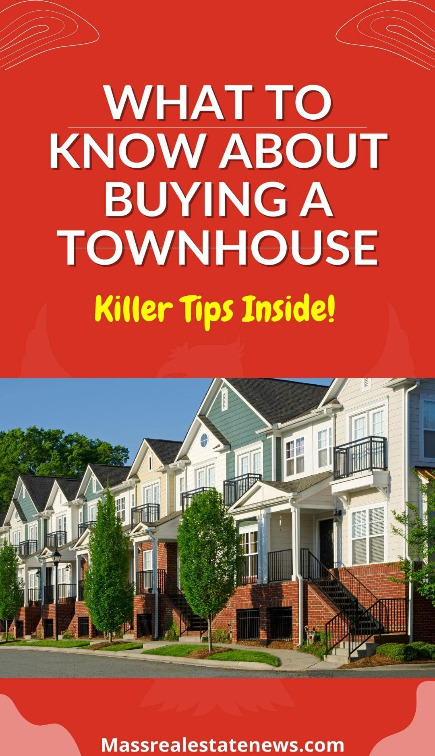
What to Know About Buying Townhomes
When buying a townhouse in Massachusetts, it’s essential to have a solid understanding of this unique property type. Townhouses differ from other property types in structure, ownership, and association with homeowners associations (HOAs).
Differentiating Townhouses from Other Property Types
Over the years, I’ve been asked several times about the definition of a townhouse.
In Massachusetts, townhouses are multi-level residential units that share a common wall with neighboring units. Unlike single-family homes, townhouses offer a blend of privacy and community living. They often have shared amenities and communal spaces, making them an attractive option for many buyers.
Townhouse Ownership and Homeowners Associations (HOAs)
Owning a townhouse in Massachusetts typically means being part of a homeowners association, responsible for governing and maintaining the common areas and amenities.
HOAs set specific rules and regulations that owners must adhere to, ensuring the community’s upkeep and enhancing property values.
Pros and Cons of Owning a Townhouse in Massachusetts
Like any property type, townhouses have advantages and…